Choosing a paint color is often the first step when planning an
interior painting project. However, the finish you select can be just as important as the color itself. Paint finishes influence how walls reflect light, how surfaces look, and how easily they can be cleaned and maintained.
For homeowners planning
interior painting in Richmond, VA, understanding the differences between flat, eggshell, satin, and semi-gloss finishes can help you make choices that suit each room.
A finish that works well in a low-traffic bedroom may not be the best option for a busy hallway or a bathroom exposed to frequent moisture. Considering how each space is used can help you select paint that balances appearance, durability, and maintenance.
Virginia Contractor Painters LLC provides residential and commercial painting services in the Richmond area, including
interior painting. Here's what homeowners should know before choosing a paint finish for their next project.
1. Understand the Main Types of Interior Paint Finishes
Paint finishes generally differ in their sheen, which describes how much light a painted surface reflects. Higher-sheen finishes tend to be easier to wipe clean, while lower-sheen finishes often create a softer, less reflective appearance.
The most common options include the following.
Flat or Matte Finish
Flat and matte finishes have little shine and can create a smooth, understated appearance.
They are often considered for ceilings, formal living areas, and rooms where minimizing the appearance of minor surface imperfections is a priority.
However, some flat paints are more difficult to clean than higher-sheen alternatives. Their washability varies by product, so check the manufacturer's specifications before selecting a finish for a busy area.
Eggshell Finish
Eggshell has a subtle sheen that falls between flat and satin.
It can be a practical choice for living rooms, dining rooms, and bedrooms where homeowners want a soft appearance with more cleanability than many traditional flat paints offer.
Eggshell is a versatile option, but its suitability depends on the specific paint product, wall condition, and level of everyday use.
Satin Finish
Satin has a noticeable sheen without the stronger shine of semi-gloss.
It is frequently considered for hallways, family rooms, kitchens, and other spaces where surfaces may need regular cleaning.
Because satin reflects more light than eggshell or flat paint, it can also make wall imperfections more visible. Proper surface preparation is especially important when using this finish.
Semi-Gloss Finish
Semi-gloss has a more reflective appearance and is commonly used on trim, doors, and other surfaces that benefit from a harder, more washable finish.
It can also be appropriate for certain kitchen and bathroom applications when the selected product is designed for those conditions.
Its higher sheen tends to highlight surface imperfections, so careful preparation and application matter.
The best finish isn't necessarily the shiniest or most expensive option. It is the one that fits the room, the surface, and your expectations for maintenance.
2. Choose Paint Finishes Based on Each Room's Needs
Different rooms experience different levels of traffic, moisture, and everyday wear. Rather than using one finish throughout the entire house, consider how each space functions.
Living Rooms and Dining Rooms
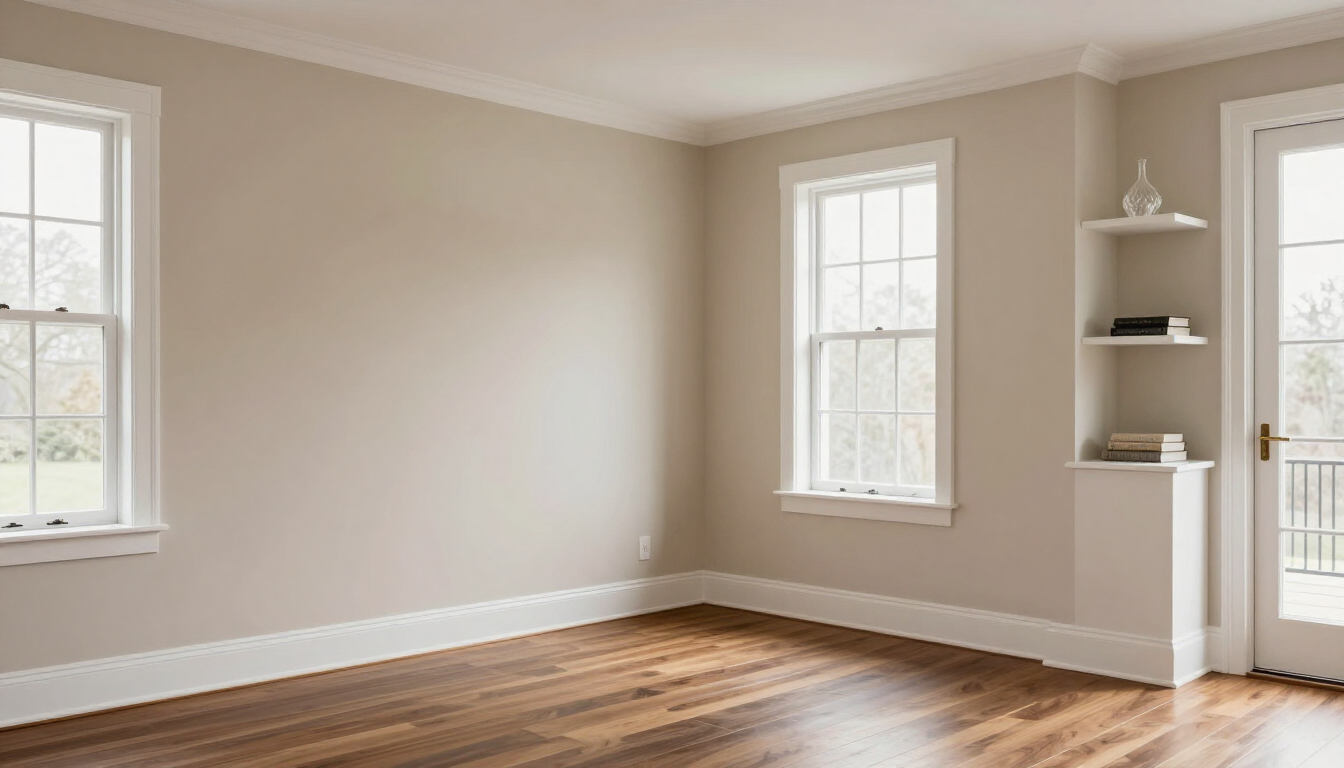
Living and dining rooms often benefit from finishes that create a comfortable, cohesive appearance.
Eggshell is a popular option for walls because it offers a subtle sheen without making the surface look overly reflective. Matte paint may also work well in rooms where appearance is the main priority and the chosen product offers suitable durability.
Consider the amount of activity in the room before making your final decision.
Bedrooms
Bedrooms generally experience less wall contact than hallways, kitchens, and family rooms.
Flat, matte, or eggshell finishes may all be suitable, depending on the paint product and desired appearance.
For children's bedrooms or rooms that see frequent use, a washable eggshell or suitable low-sheen paint may offer a practical balance between appearance and maintenance.
Kitchens
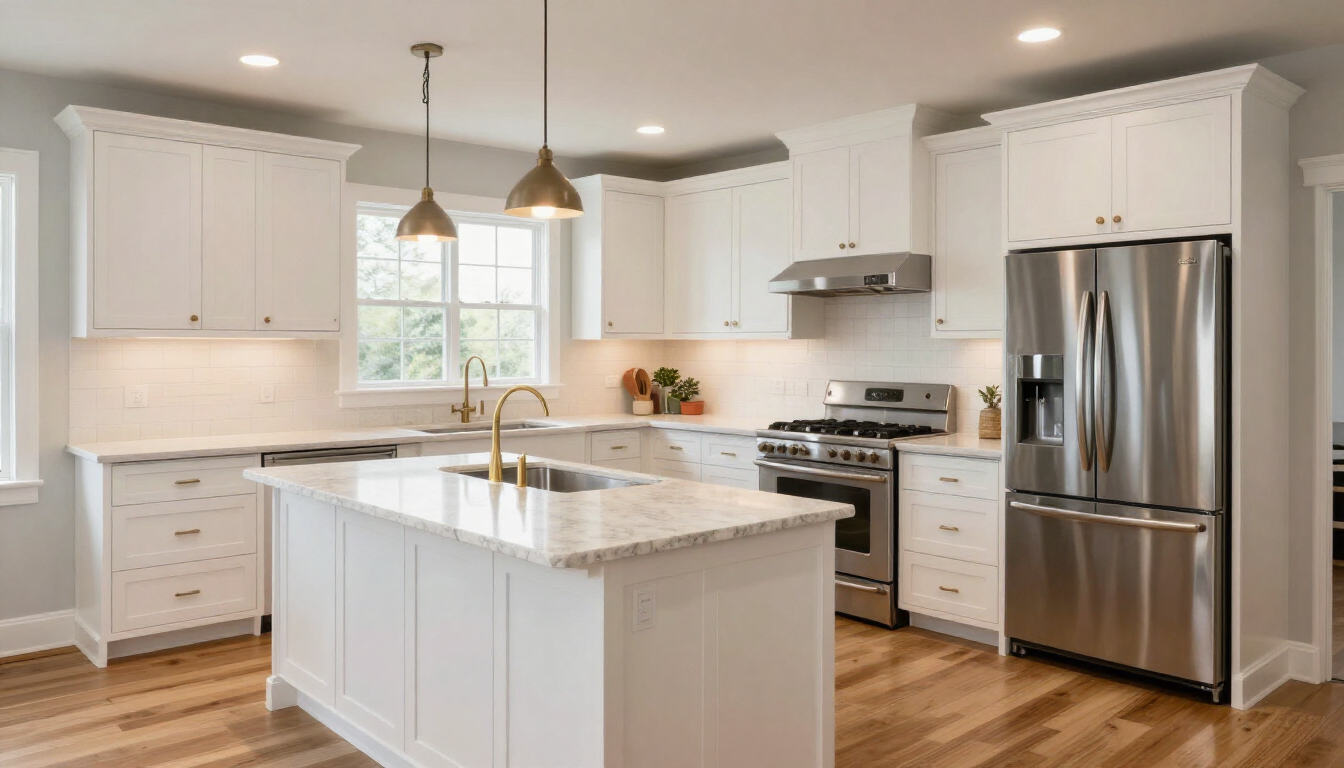
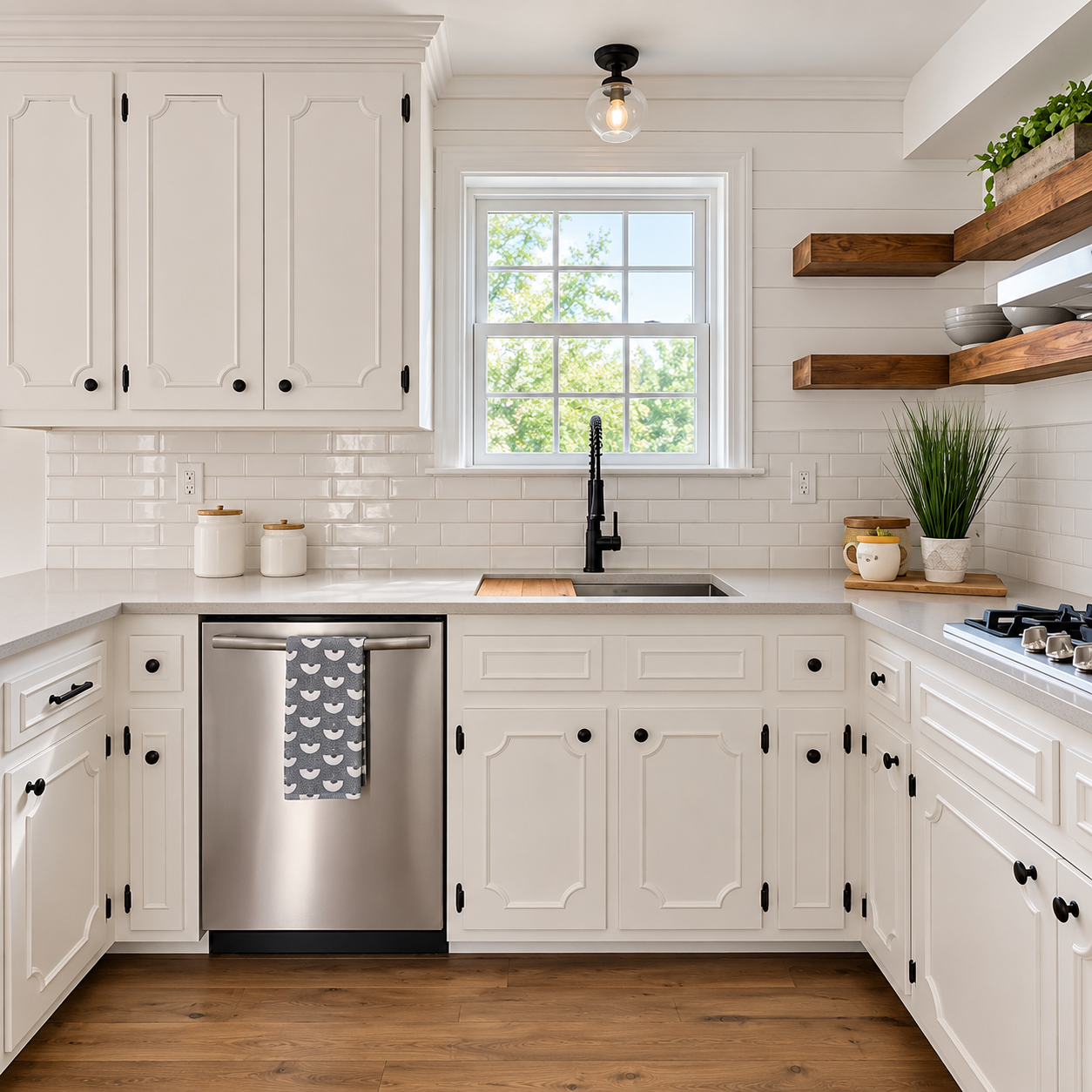
Kitchen walls can be exposed to grease, food splashes, and frequent cleaning.
A washable eggshell or satin finish may be appropriate for many kitchen walls, while semi-gloss may be suitable for selected trim and other surfaces.
The best option depends on the specific paint product, the location of the surface, and how much cleaning it is likely to require.
Bathrooms
Bathrooms experience humidity and moisture, making product selection and ventilation especially important.
Look for paint formulated for bathrooms or other moisture-prone interiors, and follow the manufacturer's recommendations for the intended surface.
Satin or semi-gloss finishes are often considered for bathroom walls and trim, but the sheen alone does not make a paint suitable for persistent moisture. Proper ventilation, surface preparation, and appropriate coatings all matter.
Hallways and Stairways
Hallways and stairways often experience repeated contact from people, bags, furniture, and everyday movement.
Satin or a durable eggshell product may be a useful choice where cleaning is a priority.
For areas with frequent scuffs, ask a painting professional about the washability and durability of specific products rather than relying on sheen alone.
3. Consider How Lighting Affects Paint Appearance
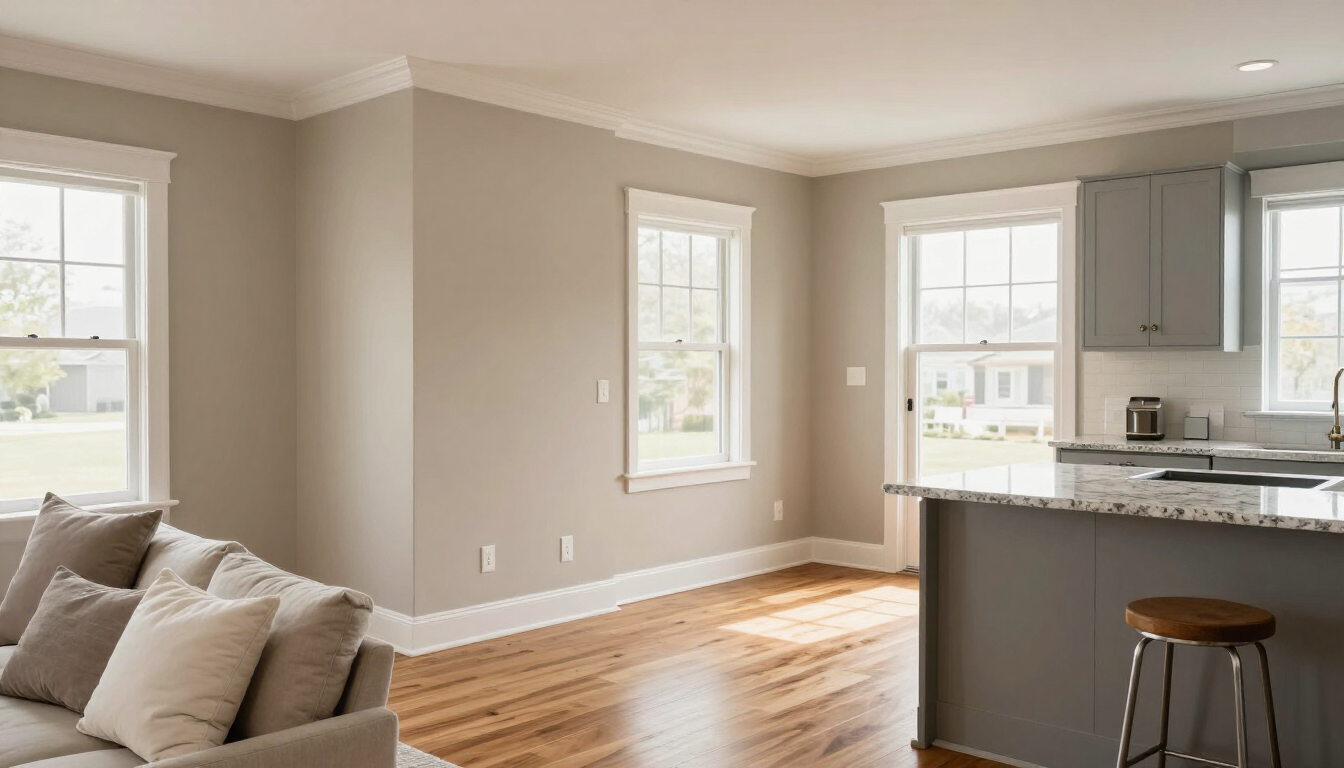
A paint color can look different depending on the lighting in the room and the sheen of the finish.
Natural light changes throughout the day, while artificial lighting can influence whether a color appears warmer, cooler, brighter, or darker.
Higher-sheen finishes reflect more light, which can make a surface appear brighter but may also draw attention to uneven areas. Lower-sheen finishes generally diffuse light more softly.
Before committing to a paint finish, consider:
- How much natural light enters the room.
- The direction and size of the windows.
- Whether the room uses warm or cool artificial lighting.
- How the finish looks beside flooring, trim, and furnishings.
- Whether the walls have visible patches, repairs, or texture variations.
Testing a sample on the actual wall can help you evaluate both color and sheen in the room's normal lighting conditions.
If you're repainting several rooms, compare samples in each space rather than assuming the same paint will look identical throughout the house.
4. Don't Overlook Surface Preparation
Even a high-quality paint can produce disappointing results if the underlying surface is not properly prepared.
Paint may highlight dents, uneven patches, peeling areas, or poorly blended repairs, especially when using a higher-sheen finish.
Before painting, the walls and trim should be evaluated for the preparation they need.
Depending on their condition, this may involve:
- Removing loose or peeling paint.
- Cleaning surfaces to remove dirt and residue.
- Filling small holes and repairing damaged areas.
- Sanding appropriate surfaces for a smoother finish.
- Priming bare, repaired, or otherwise unsuitable surfaces.
- Protecting flooring, furniture, and adjacent finishes.
The preparation required depends on the existing paint, the surface material, and the condition of the room.
Skipping necessary preparation can lead to uneven coverage, visible defects, or adhesion problems. Taking the time to address the underlying surface helps create a more consistent finished appearance.
5. Think About Durability and Long-Term Maintenance
Paint selection should account for how a room will be used over time.
A rarely used guest room may not need the same level of washability as a busy family room or a hallway that receives frequent contact.
When comparing paint products, consider more than the sheen label.
Review the manufacturer's information about scrubbability, stain resistance, recommended uses, drying times, and cleaning instructions. Products within the same finish category can have different performance characteristics.
You should also consider the existing wall condition. A very reflective finish may be easy to wipe clean, but it can make surface flaws more noticeable.
For many homes, selecting finishes room by room provides a better balance than choosing a single finish for every interior surface.
6. Coordinate Wall, Trim, and Door Finishes
Interior painting involves more than choosing a wall color. The finishes used on walls, doors, baseboards, window trim, and other architectural details can influence how polished the final result looks.
One common approach is to use a lower-sheen finish on walls and a more reflective finish on trim and doors.
This can create subtle contrast while making trim easier to clean. However, there is no single combination that works for every home.
Consider the architectural style, the condition of the trim, and the overall design you want to achieve.
For example, a traditional interior may benefit from a clear distinction between walls and trim, while a more contemporary design may use closely related colors for a quieter appearance.
Discussing the finish combinations before work begins can help you create a coordinated plan for the entire home.
7. Decide When Professional Interior Painting Makes Sense
Some homeowners choose to paint individual rooms themselves, while others prefer professional assistance for larger or more complex projects.
Hiring a professional painting contractor may be particularly useful when walls need extensive preparation, several rooms require coordinated work, or the project includes ceilings, trim, doors, and detailed finishes.
A professional can help evaluate the existing surfaces, discuss suitable products, and plan the work required to achieve the intended result.
Before hiring a contractor, ask about the scope of work, preparation procedures, paint products, number of coats, protection of furnishings, and anticipated schedule.
It is also helpful to clarify which repairs are included and which may require additional work.
Understanding these details in advance makes it easier to compare proposals and set realistic expectations for the project.
Plan Your Interior Painting Project in Richmond, VA
Choosing the right interior paint finish involves balancing appearance, lighting, surface condition, durability, and maintenance. Flat and matte finishes can create a softer look, eggshell offers a subtle sheen, satin can suit frequently used rooms, and semi-gloss is often considered for trim and other surfaces that need greater washability.
The most appropriate choice depends on the room and the product selected. Taking time to evaluate each space can help you avoid a one-size-fits-all approach and create a more consistent result throughout your home.
Virginia Contractor Painters LLC provides interior and
exterior painting services in the Richmond area, along with other residential and commercial improvement services.
Ready to refresh your home's interior?
Contact Virginia Contractor Painters LLC to discuss your painting project and explore the options that best suit your home.