A fresh coat of exterior paint can improve your home's appearance and help protect painted surfaces from everyday exposure to weather. However, achieving a durable, attractive finish involves more than choosing a color and applying paint. Proper preparation is an essential part of the process.
For homeowners in Richmond, VA, preparing for an exterior painting project means considering the condition of existing paint, the cleanliness of exterior surfaces, landscaping, and weather conditions. Taking time to address these details can help create a smoother project and give your painting contractor a better foundation for the work.
Virginia Contractor Painters LLC provides residential and commercial painting services in the Richmond area, including Chesterfield and Ashland. Whether you're refreshing faded siding or updating your home's exterior appearance, understanding the preparation process can help you know what to expect before painting begins.
1. Inspect Your Home's Exterior Before Painting
Before starting an exterior painting project, take a close look at the surfaces that need attention. Existing paint and siding conditions can influence the preparation methods and materials required.
Walk around your property and look for:
- Peeling, bubbling, or flaking paint
- Cracked or deteriorating caulk around trim and openings
- Discolored areas that may indicate moisture problems
- Damaged wood or loose exterior materials
- Mildew, dirt, or other surface buildup
- Bare areas where the existing finish has worn away
These issues should be evaluated before new paint is applied. Painting over loose paint or damaged surfaces may lead to poor adhesion or premature coating failure.
If you notice signs of moisture intrusion or deteriorating wood, address the underlying problem before covering the area with fresh paint. Paint can improve the appearance of a surface, but it cannot correct structural damage or resolve the source of a leak.
A preliminary inspection helps you and your contractor understand the home's condition and identify areas that may require additional preparation.
2. Clean Exterior Surfaces Thoroughly
Dirt, dust, pollen, mildew, and other contaminants can interfere with paint adhesion. Cleaning is therefore an important step before applying a new exterior coating.
Homes in the Richmond area can accumulate seasonal pollen, environmental residue, and organic growth, depending on their surroundings and exposure to moisture.
The appropriate cleaning method depends on the surface material and its condition. Some surfaces may tolerate controlled pressure washing, while others require gentler cleaning techniques to avoid damage.
Before cleaning, consider:
- The type of siding or exterior material
- Whether existing paint is loose or deteriorated
- The presence of mildew or organic growth
- Areas where water could enter the building
- The amount of time needed for surfaces to dry
Avoid using excessive water pressure on delicate siding, damaged wood, or vulnerable areas around windows and doors. Improper cleaning can force water behind exterior materials or damage the existing surface.
After cleaning, surfaces should be allowed to dry appropriately before painting begins. Applying paint to damp materials can affect adhesion and the final finish.
3. Remove Loose and Peeling Paint
If the existing paint is peeling or flaking, those areas need to be addressed before a new coat is applied. Otherwise, the new paint may adhere to an unstable layer that eventually separates from the surface.
Preparation may involve scraping loose paint, sanding edges to create a smoother transition, and cleaning away dust and debris. The exact approach depends on the material, the condition of the coating, and the extent of deterioration.
Older homes may require additional precautions when existing paint could contain lead. In the United States, homes built before 1978 may contain lead-based paint. Renovation work that disturbs such paint may be subject to specific safety and regulatory requirements.
If you suspect lead-based paint, consult an appropriately qualified professional before scraping, sanding, or otherwise disturbing the coating.
Proper paint removal helps create a more stable surface for the new finish and reduces the risk of visible peeling beneath freshly applied paint.
4. Repair Damaged Caulk, Trim, and Wood
Exterior painting provides an opportunity to identify minor surface issues that should be corrected before the finish is applied.
Cracked caulk, damaged trim, and deteriorating wood can affect both appearance and the condition of the exterior. These areas should be evaluated to determine whether they need repair or replacement.
Common preparation tasks may include:
- Removing deteriorated caulk where replacement is appropriate
- Recaulking suitable joints around trim and exterior openings
- Repairing minor surface imperfections
- Replacing damaged sections of trim or wood when necessary
- Sanding repaired areas to create a suitable painting surface
Not every gap should be sealed indiscriminately. Some exterior assemblies require designated drainage or ventilation openings, so repairs should preserve the building's intended moisture-management design.
It's also important to distinguish cosmetic deterioration from more serious damage. Soft, rotting wood or persistent moisture problems may require repairs beyond ordinary painting preparation.
Completing necessary repairs before painting helps create a cleaner appearance and reduces the likelihood of having to revisit damaged areas later.
5. Protect Landscaping, Walkways, and Outdoor Items
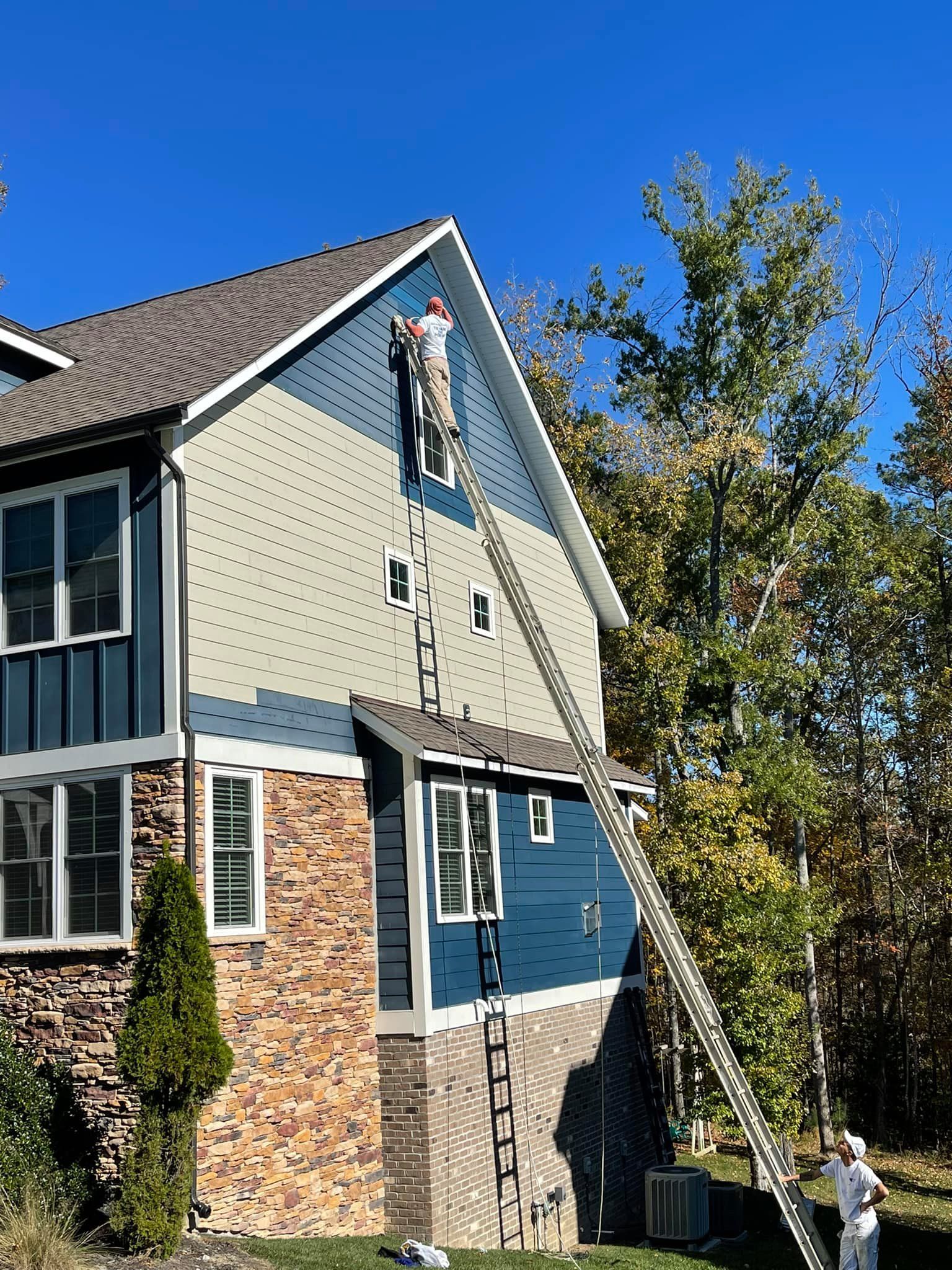
Exterior painting involves ladders, tools, materials, and work around the perimeter of the home. Preparing the surrounding area can make the project more organized and help protect your property.
Before work begins, consider moving or securing:
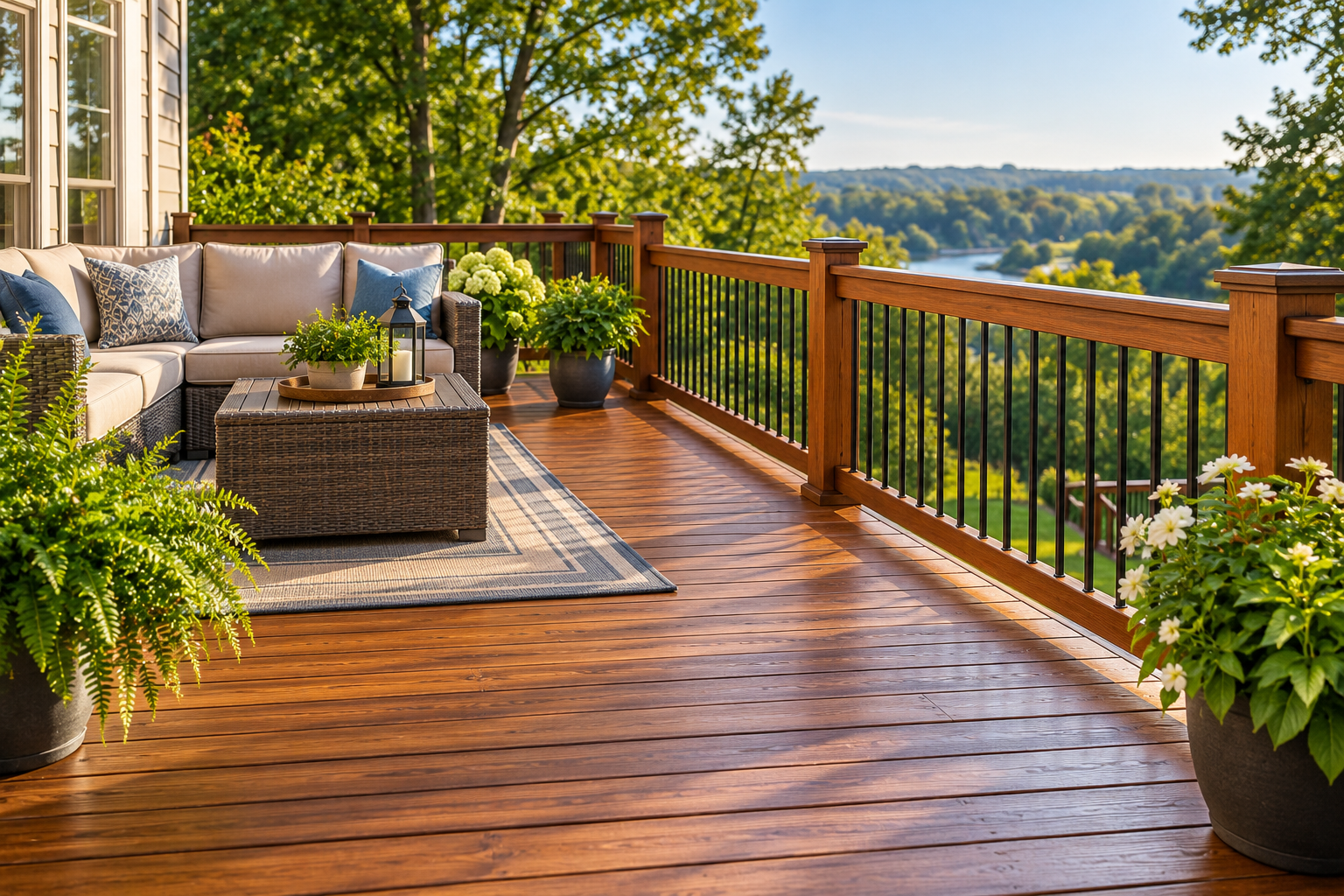
- Patio furniture and outdoor decorations
- Potted plants and movable planters
- Garden tools and children's outdoor items
- Vehicles parked near the house
- Grills and other equipment near painting areas
You may also want to identify delicate plants, flower beds, and landscaping features close to the exterior walls.
Discuss protection measures with your painting contractor, including how nearby plants, walkways, windows, and outdoor fixtures will be covered or safeguarded.
Clear access around the home can also help the crew reach exterior surfaces more efficiently. If possible, trim vegetation that is obstructing work areas, while avoiding unnecessary damage to established landscaping.
Good preparation of the surrounding property helps reduce avoidable interruptions and supports a more orderly painting process.
6. Choose the Right Time for Exterior Painting
Weather plays an important role in exterior painting. Temperature, humidity, rain, direct sunlight, and surface moisture can all influence how paint applies and cures.
Richmond, Chesterfield, and Ashland experience seasonal weather changes, so the best painting window depends on the forecast and the requirements of the selected coating.
Before scheduling your project, discuss the following considerations with your contractor:
- Temperature: Paint products have specific application temperature ranges that should be followed.
- Rain and moisture: Exterior surfaces generally need to be dry, and the coating must have suitable conditions to dry or cure.
- Humidity: High humidity can affect drying time and may influence the application process.
- Direct sunlight: Hot surfaces and intense sunlight can affect how paint spreads and dries.
- Wind: Wind can carry dust and debris onto wet paint and may create additional challenges during exterior work.
Rather than selecting a date based only on the calendar, your contractor should consider the actual weather conditions and the manufacturer's product instructions.
Allowing the project schedule to accommodate suitable conditions can help support a more consistent finish.
7. Select Exterior Paint That Suits Your Home
Once preparation requirements are understood, the next step is selecting paint that fits the home's materials, appearance, and environmental exposure.
Different exterior surfaces may require different primers or coating systems. The appropriate products depend on whether the home has wood siding, fiber cement, masonry, previously painted surfaces, or other materials.
When discussing paint selections, consider:
- Compatibility with the existing surface
- The condition of the current coating
- The intended finish and appearance
- Exposure to sunlight and moisture
- Manufacturer recommendations for preparation and application
- Maintenance requirements over time
Primer may be necessary on bare materials, repaired areas, stains, or certain existing finishes. However, the need for primer depends on the surface and the coating system being used.
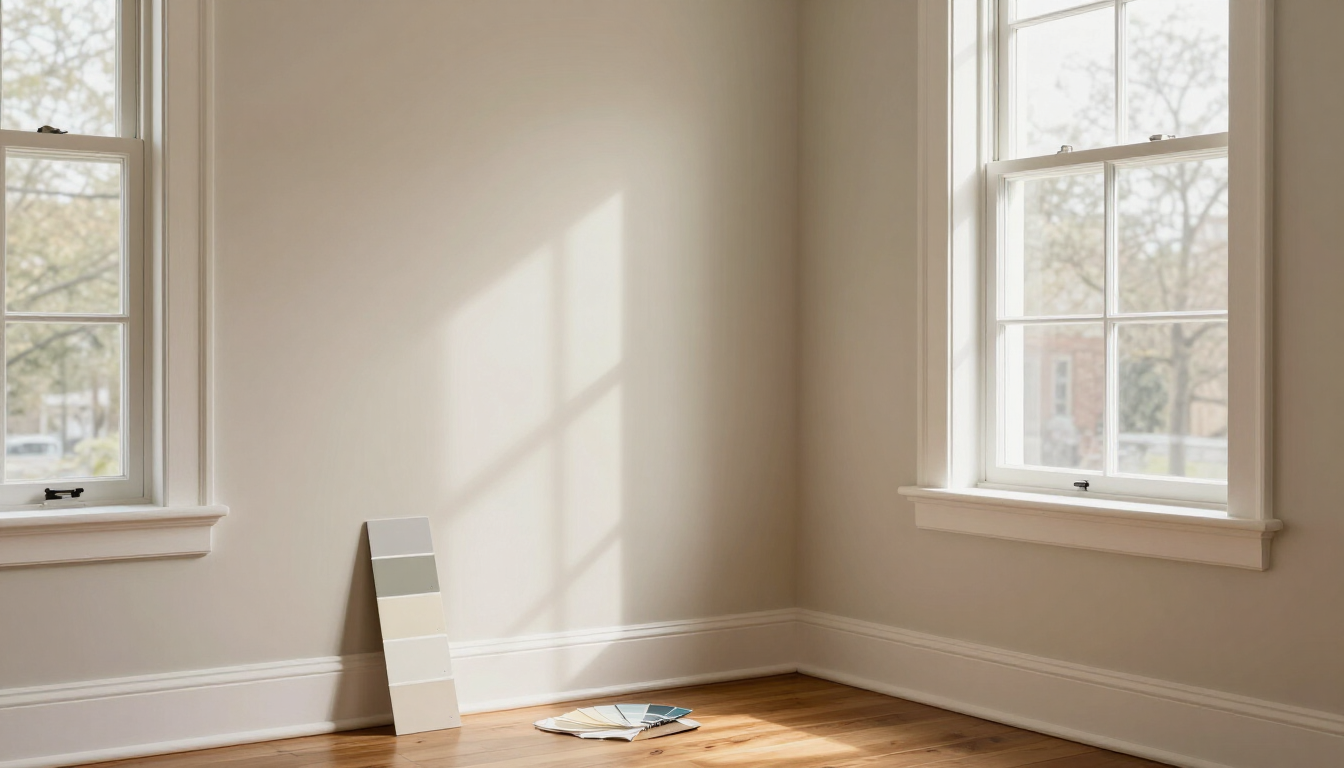
It's also worth considering how your chosen color will look alongside the roof, brickwork, stone, landscaping, and neighboring homes. Viewing paint samples in different lighting conditions can help you make a more confident decision.
A professional assessment can help determine which products and preparation methods are appropriate for your home's exterior.
8. Communicate With Your Painting Contractor Before Work Begins
Clear communication helps homeowners understand the project scope and avoid confusion once work starts.
Before your exterior painting project begins, confirm which preparation tasks are included in the proposal and which repairs may require separate arrangements.
Useful questions include:
- Which exterior surfaces will be painted?
- What cleaning and paint-removal work is included?
- How will damaged caulk or wood be handled?
- Will primer be used, and where is it needed?
- How will landscaping and outdoor fixtures be protected?
- How will weather affect scheduling?
- What should the homeowner move or prepare in advance?
You should also discuss access to the property, pets, gates, and any areas that need special attention.
A clear agreement about the scope of work helps everyone understand expectations and gives you a better picture of how the project will proceed.
Why Proper Preparation Matters for Exterior Painting
Exterior paint must adhere to the surface beneath it. When cleaning, repairs, and surface preparation are overlooked, even a high-quality coating may struggle to perform as intended.
Proper preparation helps address existing paint failure, remove contaminants, create suitable surfaces for new coatings, and identify problems that should be corrected before painting.
For homeowners in Richmond, VA, preparing the home carefully is an important step toward achieving a professional-looking exterior finish.
Virginia Contractor Painters LLC provides painting services for residential and commercial properties in Richmond, Chesterfield, Ashland, and surrounding areas. If your home's exterior is fading, peeling, or ready for an updated look, consider discussing its condition and preparation needs with a professional painting contractor.
Visit Virginia Contractor Painters LLC to learn more about its services and discuss your upcoming exterior painting project.